
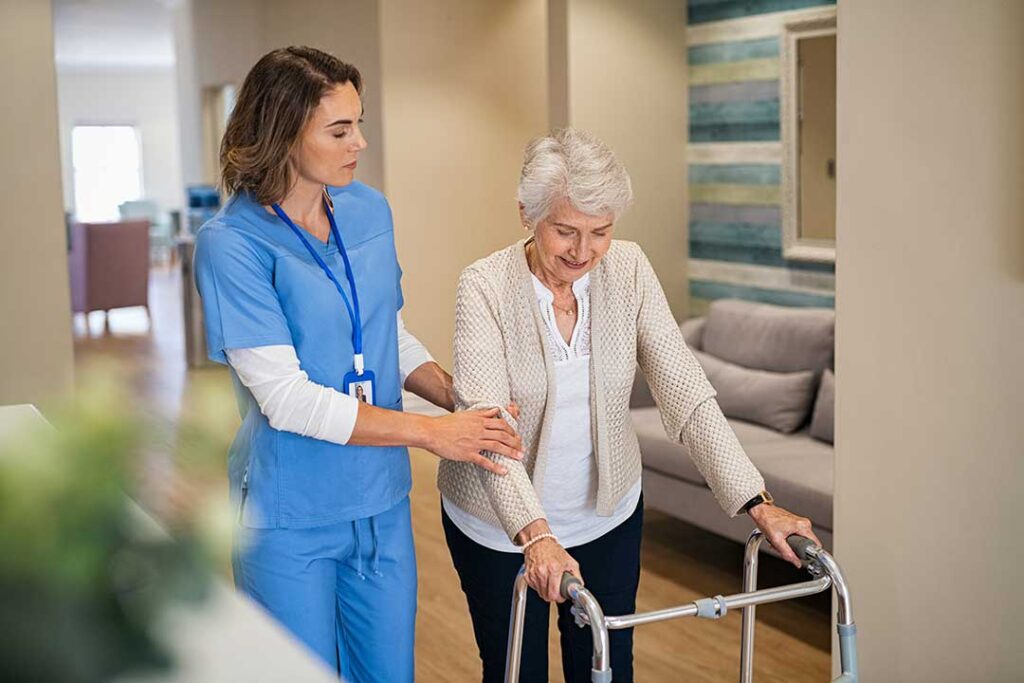
Assisted living communities are not just homes for seniors; they are sanctuaries where residents and their families expect comfort, security, and most importantly, safety. In Boyertown, Pennsylvania, where close-knit neighborhoods and community values are paramount, the assurance of prompt and professional emergency response is essential for peace of mind. Whether it's a medical scare, a severe winter storm, or a fire alarm in the middle of the night, understanding how assisted living facilities handle emergencies helps families make informed decisions and trust their loved ones are truly cared for.
Why Emergency Preparedness Matters in Assisted Living
Emergencies can strike without warning. Residents of assisted living communities, many of whom have chronic conditions or limited mobility, are particularly vulnerable. This vulnerability only highlights the importance of having solid emergency protocols in place. In areas like Boyertown, known for its caring small-town atmosphere and sometimes unpredictable Pennsylvania weather, ensuring rapid and appropriate response to emergencies becomes even more critical.
Common Emergencies in Boyertown Assisted Living Communities
Emergency protocols cover a range of scenarios that can happen in everyday life, including:
- Medical Emergencies: Falls, heart attacks, strokes, diabetic episodes, and other urgent health issues are among the most common.
- Environmental Hazards: Severe storms, snow and ice conditions, power outages, and flooding.
- Fires: Whether caused by cooking, electrical issues, or other accidents.
- Security Incidents: Unauthorized entry, wandering residents, or other security concerns.
These situations require quick, coordinated action and often depend on cooperation with local emergency services such as the Boyertown Area Fire & Rescue or nearby medical facilities.
How Assisted Living Facilities in Boyertown Prepare for Emergencies
Assisted living communities in Boyertown follow strict state and federal guidelines to ensure readiness. Here are some of the important ways they prepare:
1. Comprehensive Staff Training
Staff members receive training in:
- Cardiopulmonary resuscitation (CPR) and basic first aid.
- Using automated external defibrillators (AEDs).
- Recognizing signs of stroke, heart attack, and other urgent medical issues.
- Evacuation protocols and fire safety.
- Handling behavioral emergencies compassionately.
This training is often revisited regularly, with drills to reinforce knowledge and maintain readiness—key in a place like Boyertown, where relationships matter and staff often know residents personally.
2. Individual Care Plans and Emergency Contact Info
Each resident in assisted living has an individualized care plan that considers their medical history, mobility challenges, and personal preferences. Emergency contacts are always up to date, ensuring quick communication with families or local healthcare providers, such as those at Boyertown’s nearby hospitals and clinics.
3. Collaboration with Local Emergency Services
Boyertown’s strong sense of community extends to its emergency response network. Assisted living facilities maintain direct lines of communication with fire, police, and EMS personnel. Regular community drills involving these agencies are common, enhancing teamwork and familiarity.
4. Robust Communication Systems
Modern assisted living communities use advanced alert systems:
- Pull cords in bathrooms and bedrooms.
- Wearable call buttons.
- Centralized communication panels.
This technology helps staff respond within minutes, if not seconds, whenever help is needed.
5. Environmental and Security Safeguards
Security measures such as secure entry doors, surveillance cameras, and regular building inspections prevent unauthorized access and keep residents safe. During severe Boyertown snowstorms or power outages, communities often have backup generators, stored emergency supplies, and plans for safely transferring residents if evacuation becomes necessary.

Step-By-Step: What Happens During an Emergency?
Understanding the step-by-step process during an emergency offers reassurance:
1. Detection: An emergency is identified, either by a resident, staff, or monitoring system.
2. Alert: Staff receives instant notification and responds to the scene.
3. Immediate Care: First aid is administered, or the situation is stabilized as much as possible.
4. Calling for Help: If additional help is needed, 911 and local emergency services are contacted.
5. Family Notification: Emergency contacts and family members are alerted as soon as possible.
6. Evacuation or Shelter in Place: Depending on the nature of the emergency, residents may be guided to a safe location within the facility or evacuated completely.
7. Follow-up Care and Documentation: The event is documented, and follow-up medical care or emotional support is provided to any resident impacted.
The Role of Family and Community in Emergency Preparedness
Boyertown families are deeply involved in the lives of their elders. Assisted living facilities encourage families to:
- Keep emergency contact information updated.
- Familiarize themselves with the community’s emergency procedures.
- Participate in safety meetings or family nights, offered regularly to educate and empower residents and their loved ones.
Local organizations, churches, and volunteers often support assisted living communities after major events—providing food, comfort, and a reminder of Boyertown’s resilient spirit.
Questions to Ask When Visiting Assisted Living in Boyertown
Families considering assisted living should ask facilities the following:
- How often are emergency drills held?
- What training do staff receive for medical and non-medical emergencies?
- Is there an on-site nurse or medical aide at all times?
- What is the response time for call buttons or emergency alerts?
- How does the facility communicate with local emergency responders?
- What precautions are in place for severe weather?
Knowing the answers to these questions helps families feel more confident about their loved one’s safety.
Conclusion: Peace of Mind Through Preparedness
In Boyertown, the well-being of older adults is backed by a strong sense of community, dedicated professionals, and robust emergency protocols. By understanding how assisted living handles emergencies, families can trust that their loved ones will receive immediate attention, comfort, and care—no matter what challenges arise. When you choose an assisted living community in Boyertown, you’re not just choosing a place to live; you’re choosing a neighborly network and a commitment to safety that’s as enduring as the town itself.
