

How Does Assisted Living Support Couples Who Want to Stay Together?
Assisted living communities in Boyertown, PA are structured to help couples remain together, even as their care needs change. Whether partners have similar or differing health conditions, local assisted living environments typically offer living arrangements that allow couples to share a private apartment or suite. This helps sustain the emotional connection that is so important for couples who have spent a lifetime together.
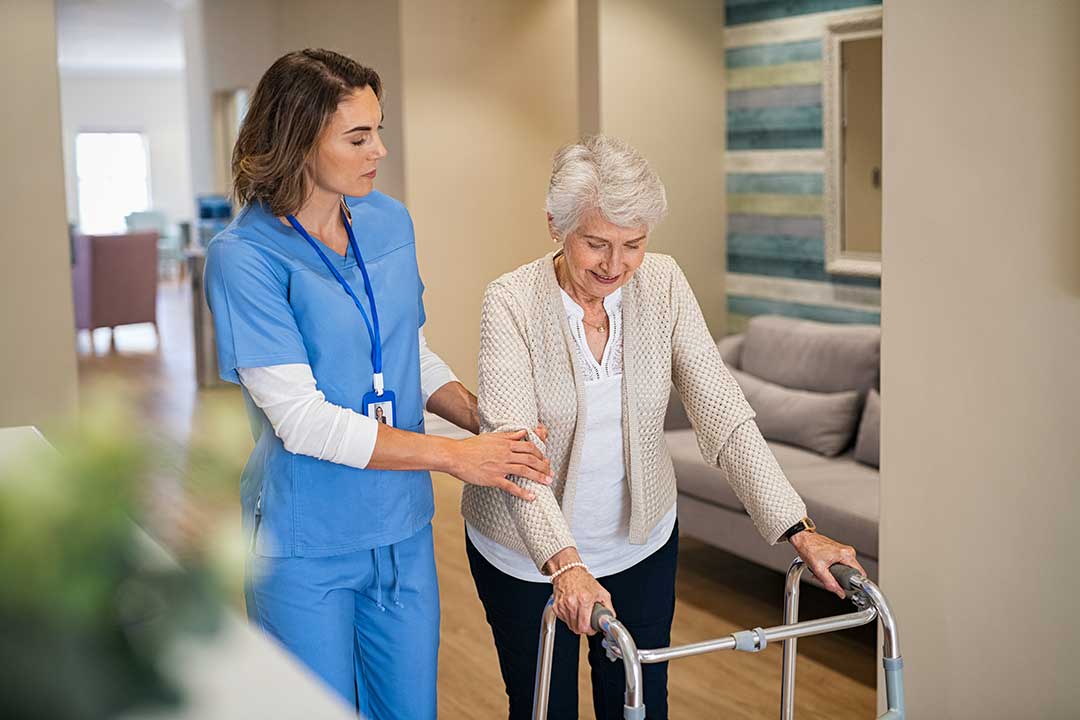
Most commonly, assisted living communities work with each couple to identify the right level of support, such as medication management or mobility assistance, without separating spouses unless medically necessary. Staff are accustomed to creating flexible plans so couples can maintain their routines, eat meals together, and celebrate important life events as a unit.
What Options Are Available If Partners Have Different Care Needs?
Couples frequently have different needs as they age, and local assisted living settings are designed to accommodate this reality. When one partner needs more daily help, such as bathing or help with memory issues, while the other is largely independent, the following adjustments are possible:
- A shared living space, with individualized care for each partner
- Separate care plans, tailored to each individual's needs but coordinated for their joint lifestyle
- The option for one spouse to participate in activities or outings while the other receives assistance
This arrangement avoids forcing couples to live apart and helps families feel reassured that both partners are supported appropriately, even if their care levels differ.
Can Couples Bring Personal Belongings and Decorate Together?
Residents in Boyertown can typically bring beloved furniture, keepsakes, and photos to personalize their living space. This is encouraged as it helps couples feel at home in their new environment. Creating a familiar setting also supports well-being, especially for those coping with memory loss or transitions. Most apartments are designed to accommodate favorite chairs, tables, and other cherished possessions.
Decorating together gives couples a sense of ownership and helps smooth the adjustment process when moving from a longtime home to assisted living. Consult specific community policies for any size or safety limitations, but local norms prioritize resident comfort and familiarity.
What Social and Recreational Opportunities Exist for Couples?
Assisted living includes a broad calendar of social events and activities that welcome couples to participate together, ranging from group fitness classes to music performances and crafts. Couples can choose to engage as a pair or pursue separate interests if they prefer.
Popular examples include:
- Shared dining rooms that create a restaurant-style experience
- Art classes, gardening clubs, and discussion groups designed for couples or individuals
- Holiday celebrations, outings to local attractions, and special events where families can join
The goal is to support both companionship and independence, providing couples with consistent opportunities to build new routines in a supportive environment.
How Do Costs Work for Couples in Assisted Living?
Cost structures for couples in assisted living typically involve a base rate for an apartment or suite, with additional charges based on the care needs of each partner. Often, only one accommodation fee is required if both partners share a unit, but care costs are individualized.
Local residents can expect billing to reflect:
- Shared apartment costs (generally lower than two separate ones)
- Separate charges for personal care or medical services, depending on each person’s needs
It’s helpful to clarify with each community what’s included and whether services such as meals, laundry, or transportation are part of the base cost. Some couples may find this arrangement more financially practical than maintaining two households or paying for full-time in-home care separately.
Are There Emotional or Social Challenges Couples Should Anticipate?
Moving into assisted living is a significant change, and couples may experience anxieties about privacy, loss of autonomy, or changes in roles. It's common for one partner to worry about being a "burden," or for both to feel concerned about making new social connections.
Area communities often:
- Provide supportive counseling or adjustment programs for new couples
- Respect privacy by offering private spaces and flexible visitation guidelines
- Encourage participation in community events at each couple’s pace
Practical strategies, such as attending orientation events together and gradually exploring available activities, help many couples ease the transition and build new friendships.
What If the Health of One Partner Changes Significantly?
Should a partner’s needs shift—for example, after a hospital stay or the progression of a chronic condition—local assisted living arrangements are built to adapt care plans. This can include:
- Increasing the level of daily assistance for one partner
- Coordinating care with visiting health professionals
- Providing temporary rehabilitation support, if needed
If a partner requires specialized memory care or skilled nursing that cannot be accommodated within their shared apartment, staff may work to keep the couple closely connected through daily visits or shared activities. This ensures ongoing emotional support, even if living arrangements must be adjusted for medical reasons.
What Questions Should Couples Ask Before Choosing a Community?
It’s wise for area residents to visit communities together and ask detailed questions such as:
- Can couples remain in one apartment if their care levels change?
- How is privacy respected within shared spaces?
- What activities or amenities are available for couples to enjoy together?
- How are emergencies or sudden health changes handled?
- What flexibility is there if the couple’s preferences or circumstances shift over time?
Gathering this information in advance helps set realistic expectations and ensure the community can support both partners’ needs as they evolve.
