
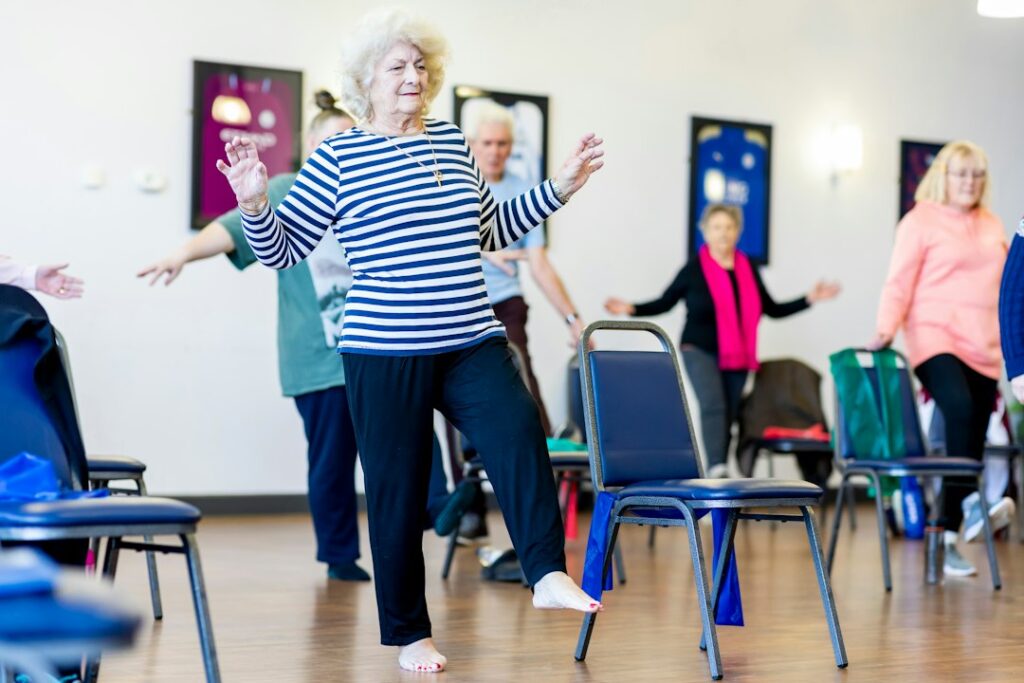
What does healthy aging look like in assisted living?
Healthy aging is not about avoiding every health problem or following a perfect routine. It means supporting strength, independence, mood, comfort, and safety through manageable daily habits.
For residents in Boyertown, PA, assisted living can provide helpful structure while still allowing personal choice. Regular meals, activities, medication routines, and social opportunities create a foundation. The most effective approach is to build healthy habits into the ordinary rhythm of the day rather than treating wellness as a separate project.
How much physical activity is helpful?
Most older adults benefit from a combination of walking or other aerobic activity, muscle strengthening, and balance exercises. The right amount depends on medical conditions, mobility, pain, and previous activity levels.
A resident who is not currently active might begin with five- or ten-minute periods of movement several times a day. Possible options include:
- Walking indoor hallways or a safe outdoor path
- Chair exercises or seated leg lifts
- Light resistance exercises approved for the individual’s abilities
- Standing from a chair several times, using support as needed
- Gentle stretching
- Tai chi or other balance-focused activities
The goal is consistency, not intensity. Some residents may eventually work toward 150 minutes of moderate activity each week, but that target is not a requirement for everyone. Breaking movement into smaller sessions can make exercise more comfortable and realistic.
Any new activity should stop if it causes chest pain, severe shortness of breath, dizziness, unusual weakness, or significant pain. New or worsening symptoms should be reported promptly.
Why are strength and balance especially important?
Strength and balance help with everyday tasks such as getting out of bed, reaching for clothing, using the bathroom, and walking across a dining room. They also help reduce the likelihood of falls.
Fall prevention is more than remembering to use a walker. Residents can review several factors:
- Keep frequently used items within easy reach.
- Use prescribed glasses and mobility aids.
- Wear shoes that fit securely and have nonslip soles.
- Rise slowly from a bed or chair, especially after resting.
- Keep pathways clear of bags, cords, loose rugs, and clutter.
- Report dim lighting, slippery floors, or changes in flooring.
- Ask for assistance during icy or unusually wet outdoor conditions.
Winter weather in Boyertown can make walking surfaces more hazardous. Residents should not feel embarrassed about requesting help with outdoor travel, footwear, or transportation during snow, ice, or freezing rain.
Medicines can also contribute to falls by causing sleepiness, dizziness, blurred vision, or changes in blood pressure. A medication review may be appropriate if balance changes or falls begin, including a review of over-the-counter products.
What should residents eat and drink?
Older adults need nutrient-dense foods, even when appetite is smaller. Meals should generally include a source of protein, vegetables or fruit, whole grains or other fiber-rich foods, and adequate fluids.
Protein supports muscle maintenance. Useful choices may include eggs, yogurt, milk, fish, poultry, beans, lentils, tofu, and other fortified foods. Spreading protein across meals may be easier than trying to eat a large amount at dinner.
Hydration also deserves attention. Some residents drink less because they do not want to make frequent bathroom trips. However, inadequate fluid intake can contribute to constipation, dizziness, urinary problems, and confusion. Unless a medical condition requires fluid restriction, drinking regularly throughout the day is generally helpful.
Tell staff if food is difficult to chew or swallow, tastes different, causes discomfort, or is consistently unappealing. Unplanned weight loss, persistent poor appetite, or difficulty managing meals should not be dismissed as a normal part of aging.
How can residents protect sleep and energy?
A regular sleep schedule can improve daytime alertness and mood. Helpful habits include keeping a similar bedtime and wake time, limiting long late-day naps, and using a calming bedtime routine.
Room temperature, hallway noise, lighting, pain, nighttime bathroom trips, and medication timing can all affect sleep. Residents should mention repeated sleep disruption rather than assuming it must simply be tolerated.
Daytime movement and exposure to natural light may support a healthier sleep-wake pattern. Caffeine late in the day, heavy evening meals, and alcohol can interfere with sleep for some people. Sleeping problems that persist, worsen, or involve loud snoring, gasping, or extreme daytime sleepiness deserve medical attention.
How do social activities support healthy aging?
Social connection is linked with emotional well-being and can help reduce isolation. Participation does not have to mean attending every group activity. A short conversation, shared meal, card game, religious service, craft, music program, or visit with family may be enough to create regular connection.
Residents who are newly adjusting to assisted living may need time before joining activities. Starting with a familiar interest or a smaller gathering can feel easier than entering a large group.
Seasonal changes can also affect social routines. Shorter winter days or difficult travel conditions may reduce family visits and outdoor activities. Phone calls, video conversations, letters, indoor walking groups, and scheduled visits can help maintain connection when leaving the community is difficult.
What health appointments and preventive care should not be overlooked?
Routine health care remains necessary in assisted living. Residents should keep track of recommended checkups, dental care, vision exams, hearing evaluations, vaccinations, and screenings appropriate to their age and medical history.

Vaccinations may help reduce the risk of serious respiratory and other infections, but recommendations can vary based on health conditions and current public health guidance. Questions about vaccines, screening tests, supplements, or changes in treatment should be discussed with the resident’s health care team.
Bring attention to changes such as:
- New confusion or unusual sleepiness
- Repeated dizziness or falls
- Sudden weakness or trouble speaking
- Persistent pain
- Changes in appetite or weight
- Shortness of breath
- New difficulty hearing or seeing
- Sadness, anxiety, withdrawal, or loss of interest
A sudden change may signal an illness, medication effect, dehydration, or another problem requiring prompt evaluation.
How can residents stay mentally engaged?
Mental activity does not require difficult puzzles or academic study. Learning a new song, reading, writing family stories, playing a familiar game, discussing current events, gardening in containers, or practicing a hobby can provide useful stimulation.
Memory lapses happen to many people, but confusion that interferes with daily tasks should be reported. Keeping a calendar, written routine, labeled drawers, and a consistent place for glasses or hearing devices may make daily life easier.
Healthy aging also includes emotional care. Grief, loneliness, anxiety, and depression are not personal failures. Speaking with trusted family members, activity staff, or a health care provider can help identify practical support.
What is a realistic daily wellness routine?
A simple routine may include:
- Drinking water after waking and with meals
- Taking medications as directed
- Moving for a few minutes at regular intervals
- Eating protein with meals or snacks
- Spending time in natural light
- Connecting with at least one other person
- Checking that glasses, hearing devices, and mobility aids are available
- Following a consistent bedtime routine
The routine should be adjusted for medical needs, personal preferences, and energy levels. Healthy aging in assisted living is most sustainable when it supports safety and independence without turning every day into a test of performance.
