
What Health Services Are Typically Available in Assisted Living?
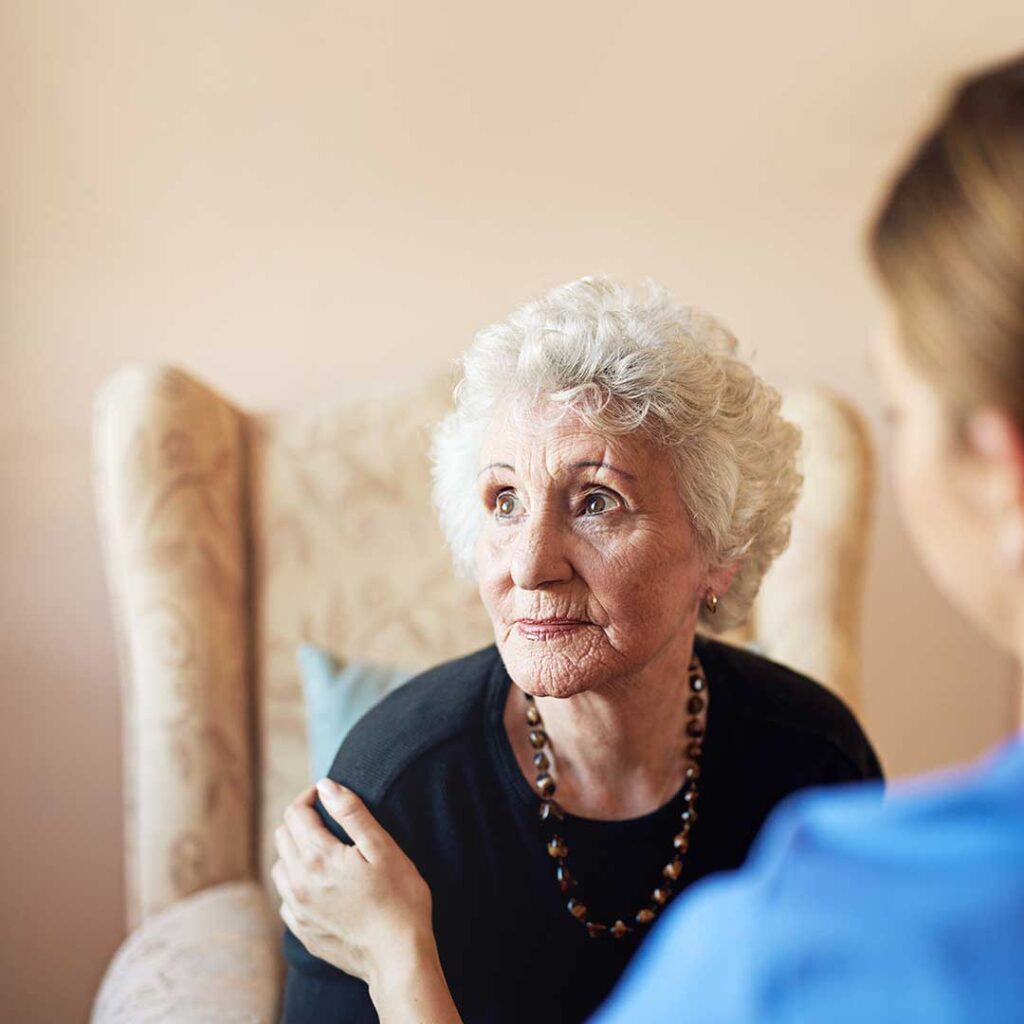
Assisted living facilities in Boyertown, PA generally provide several baseline health services designed to support residents’ daily wellbeing, help manage chronic conditions, and address age-related needs. While not intended to replace hospitals or full-scale nursing care, these communities focus on helping older adults live as independently and safely as possible with access to essential support.
Services generally include assistance with medications, basic health monitoring, and help with daily living activities. Some may also arrange access to visiting nurses, physical or occupational therapists, and other specialists depending on individual needs.
How Are Medications Managed for Residents?
Assisted living staff typically help with medication reminders, organizing pill schedules, and sometimes physical assistance with taking medicines, depending on resident ability. This support reduces risks such as missed doses or accidental overdoses, which can be a concern for individuals managing multiple prescriptions for conditions like high blood pressure, diabetes, or arthritis.
In local communities, regulations require strict documentation and protocols for handling prescription drugs. Residents or their families can bring medications from their pharmacy, and staff follow instructions from each resident’s healthcare provider. Medications are often stored securely to protect safety and privacy.
What Kinds of Health Monitoring Are Performed on Site?
Regular health monitoring is a core part of assisted living. Staff usually take basic measurements like blood pressure, weight, temperature, or blood sugar according to a care plan. Residents with chronic illnesses—such as heart disease or diabetes—may have scheduled checks to spot changes early.
Other types of monitoring might include:
- Observing changes in mobility or balance
- Tracking nutrition and hydration
- Observing changes in mood, memory, or behavior
If any concerning changes arise, staff communicate with healthcare providers or family to ensure timely medical attention.
What Emergency or Urgent Response Capabilities Are Provided?
Most assisted living communities in Boyertown are equipped and trained to respond to urgent health situations such as falls, confusion, chest pain, or sudden illness. Staff receive training in first aid and CPR, and there are protocols for calling emergency medical services when necessary. Some buildings have pull cords, wearable alert buttons, or similar systems for residents to signal for immediate help.
Families often have concerns about response times, but local regulations set minimum staffing levels to ensure someone is always available on site. While assisted living is not a substitute for 24/7 nursing care, residents are rarely left alone during daytime and night hours.
How Are Personal Care and Daily Support Related to Health?
Personal care assistance—sometimes called help with activities of daily living (ADLs)—is closely linked to overall health and safety. Staff commonly help residents with bathing, dressing, grooming, and mobility. Assistance can also extend to toileting and continence care. These supports help prevent health complications like infections, falls, and skin breakdown that can result from mobility challenges or limited self-care.
Residents in Boyertown may find this support especially beneficial during the winter months, when icy conditions or cold weather can increase fall risk and make self-care more challenging.
Are There Services for Residents with Memory Loss or Cognitive Changes?
Many assisted living facilities in the area are prepared to care for residents with mild to moderate memory loss, such as early-stage dementia or Alzheimer's disease. This includes structured routines, reminders for meals and medications, and staffed supervision. Some facilities offer specially designed programs, secure spaces, or additional training for staff to support mental wellbeing.
Families sometimes assume specialized memory care is only available in dedicated centers, but many assisted living communities provide a spectrum of support for those with cognitive challenges.
Can Residents Receive Therapy Services On Site?

Physical, occupational, and sometimes speech therapy may be available within assisted living communities on an as-needed basis. Often, arrangements are made for licensed therapists to visit residents who need rehabilitation after surgeries, injury, or those managing chronic illness complications. Therapy services may include:
- Exercise plans for joint flexibility and strength
- Guidance for safe walking or balance improvement
- Training in adaptive tools for easier self-care
In colder weather, the convenience of on-site therapy helps residents continue with recovery and maintain independence without needing to arrange external appointments.
How Are Routine Health and Preventive Services Handled?
Most residents can access routine or preventive healthcare, such as annual flu shots, tuberculosis screening, or blood pressure clinics, arranged on site through visiting professionals. Mobile services may be brought in for podiatry, dental cleanings, vision checks, and immunizations.
For other preventive health needs—like screening labs or specialist appointments—residents may travel to external clinics or arrange for family transportation. Assisted living staff coordinate communication and paperwork but do not replace traditional physician visits.
Are Mental and Emotional Wellbeing Services Provided?
A holistic approach includes attention to mental and emotional health. Many communities invite counselors, chaplains, or visiting social workers to meet residents who feel lonely, anxious, or depressed. Group activities, discussion circles, and gentle recreation are frequently organized to create social connections.
Residents sometimes do not realize these services are available and may benefit from asking about support for grief, anxiety, or life transitions.
What Limitations Should Residents Be Aware Of?
Assisted living is not designed for complex, around-the-clock medical care. Residents with advanced medical needs—such as ventilator support, tube feeding, or those requiring frequent injections—may need more specialized care than these settings provide.
Additionally, while direct access to medical practitioners is limited in most assisted living communities, staff serve as an extra layer of support, helping coordinate care and providing valuable oversight for changes in residents’ daily health.
